Design data collection forms, case report forms (CRFs) and patient questionnaires

The UKTMN advises sponsors and investigators to make paper medical records and data collection forms as attractive and easy as possible to complete. eClinical enables trial teams to develop paper data collection forms, case report forms (CRFs) and patient questionnaires that produce quality data for analysis.
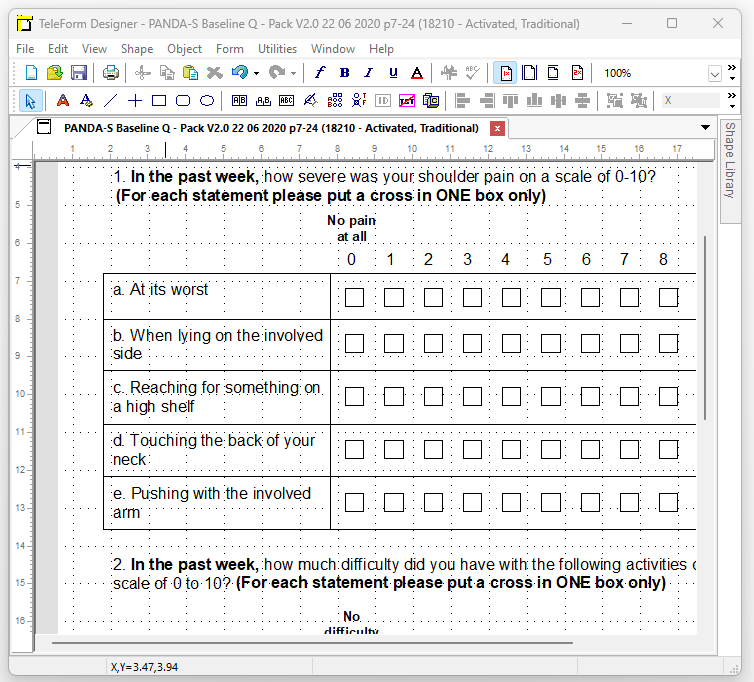
data-collection-form-and paper-crf

CRF design in clinical trials

It is good practice to have a clear identity for the trial and design data collection forms that clearly state the activity and sponsor branding.

You can start with a blank page and design a patient questionnaire or form using an intuitive drag-and-drop form designer, adding fields and labels as you go.

Design elements such as logos, borders, headers and font styles can all be added to make the questionnaire follow your trial or sponsor branding. If you prefer, you can scan an existing data collection form and overlay the structure on top to capture existing designs as well as new forms.

Many of your data collection requirements need to be configured at this stage. Settings for numeric or date ranges, mandatory fields and double keying can be defined on a field-by-field basis, allowing for truly robust results.

How you configure this early stage is key to trial outcomes, as it will provide the basis of your information gathering, so take the time to get CRF design in clinical trials right. ePC can offer our extensive experience to help you create scannable forms at this (and any other) stage, depending on the level of support you require.

Data collection form components

Choice fields

Set up simple tick boxes or multiple option tick boxes in a variety of styles.
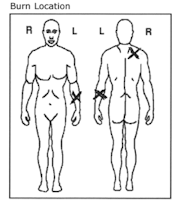
Image zones

Capture images, diagrams or data from multi-line machine print labels.
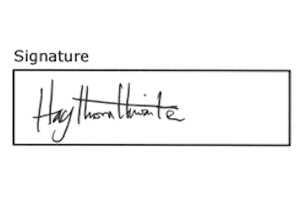
Signature zones

To confirm if a paper CRF has been authorised with a signature.
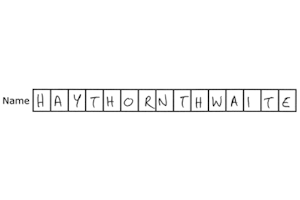
Constrained print fields

eClinical reads handwriting most effectively when it is laid out in a constrained print field, with one character per box.

Capture zones

For quickly capturing more complex fields such as “Other Comments:” by either predictive typing, coding or manual entry.
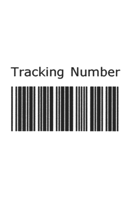
Barcodes

Many industry-standard barcodes can be read from scanned images, including two-dimensional barcodes such as PDF417.

Paper CRF/questionnaires library

Parents_2020_questionnaire

Avon Longitudinal Study of Parents and Children (ALSPAC)

ALSPAC Parents’ Questionnaire 2020.
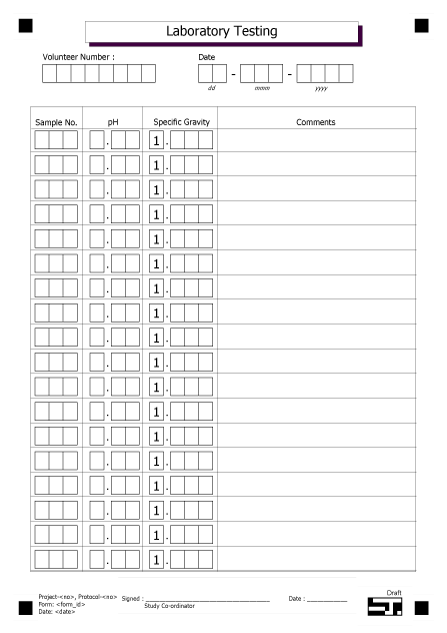
spd-laboratory-testing

SPD Development Company

Laboratory Testing
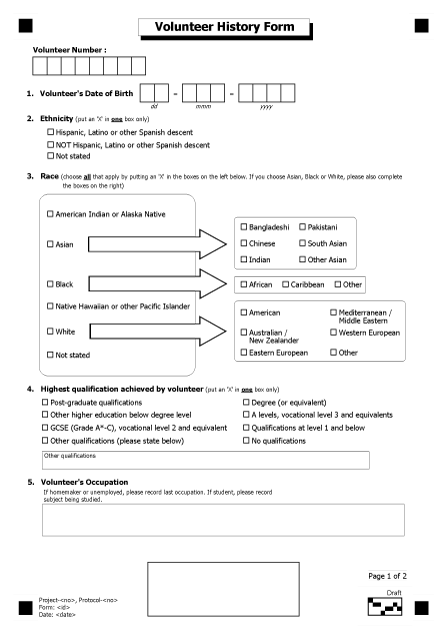
spd-volunteer-history-form

SPD Development Company

Volunteer history form
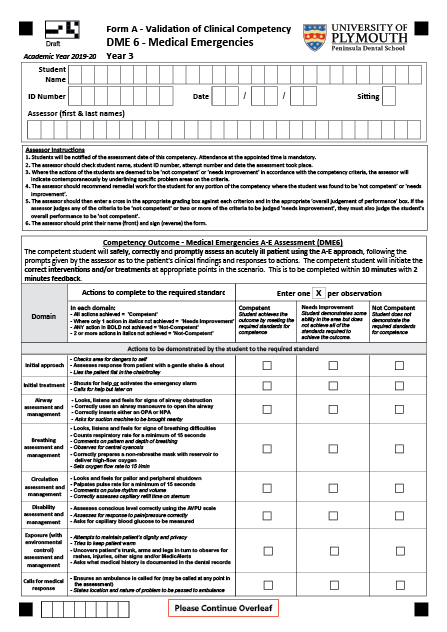
university-of-plymouth-medical-emergencies-crf

University of Plymouth

Validation of Clinical Competency
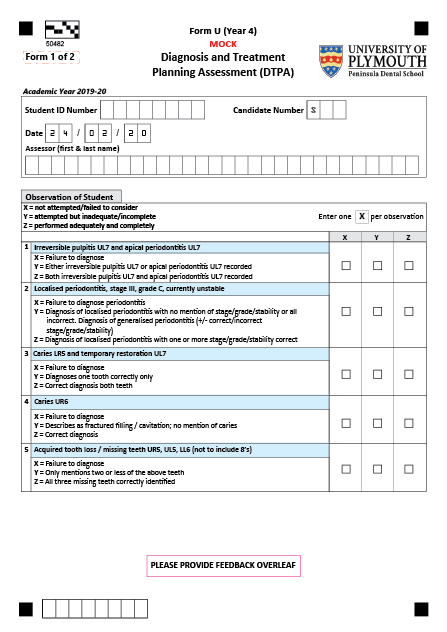
university-of-plymouth-diagnosis-and-treatment-crf

University of Plymouth

Diagnosis and Treatment Planning Assessment (DTPA)
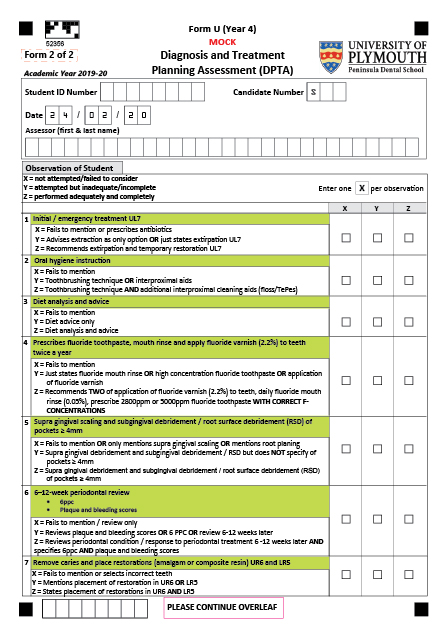
university-of-plymouth-diagnosis-and-treatment-paper-crf

University of Plymouth

Diagnosis and Treatment Planning Assessment (DTPA)
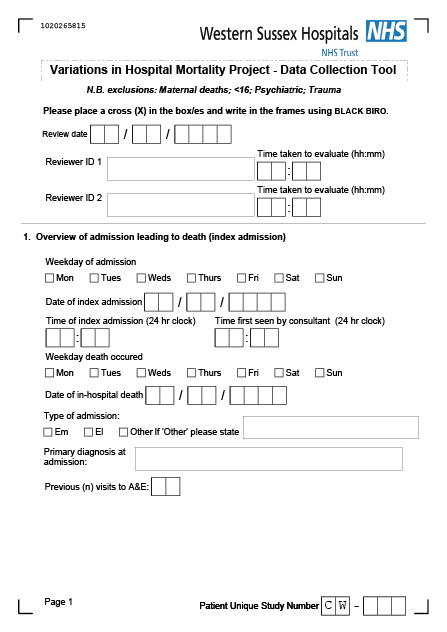
western-sussex-hospitals-nhs-trust

Western Sussex Hospitals NHS Trust

Variations in Hospital Mortality Project
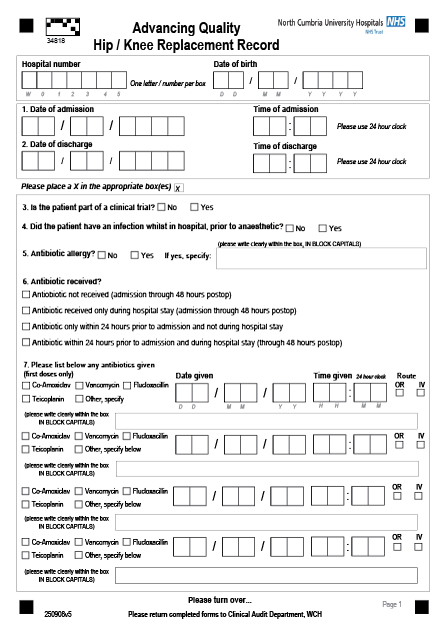
north-cumbria-university-nhs-hospitals-trusts

North Cumbria University NHS Hospitals Trust

Advancing Quality Hip/Knee Replacement Record
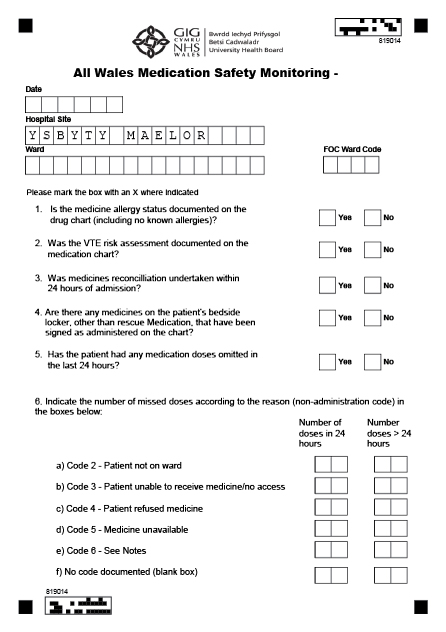
nhs-wales

NHS Wales

All Wales Medication Safety Monitoring
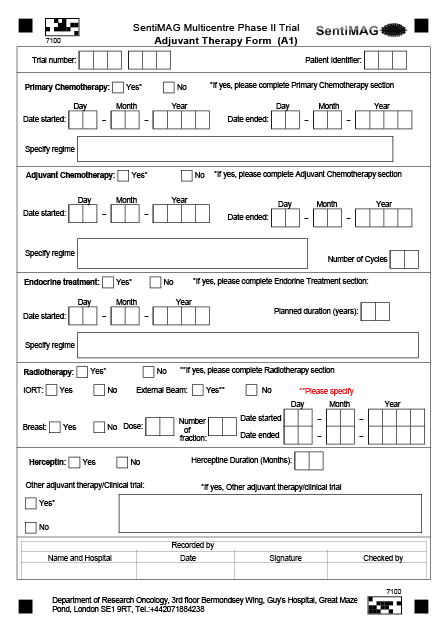
kcl

KCL

SentiMAG Multicentre Phase II Trial (Adjuvant Therapy Form)
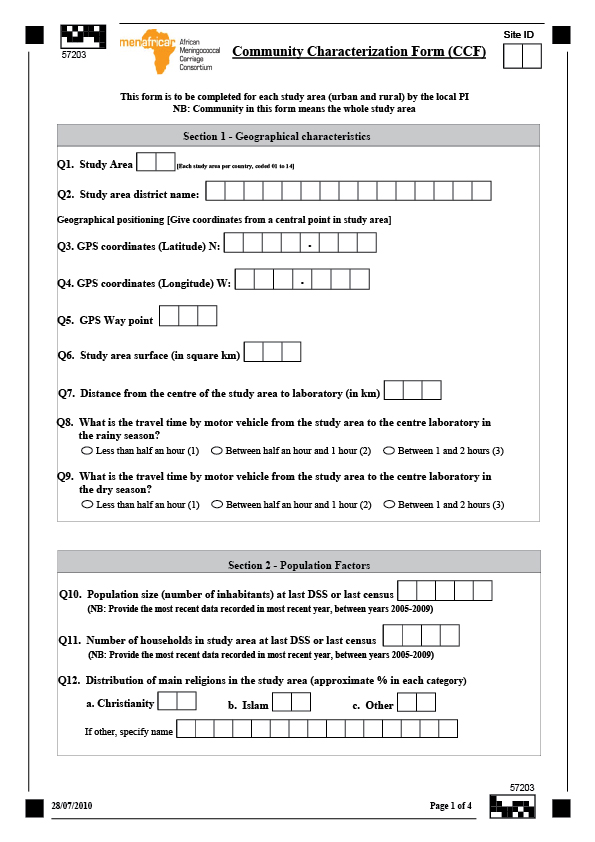
lshtm-use-eclinical-data-capture-system-for-ccf-form

London School of Hygiene and Tropical Medicine / MenAfricar

Community Characterization Form (CCF)
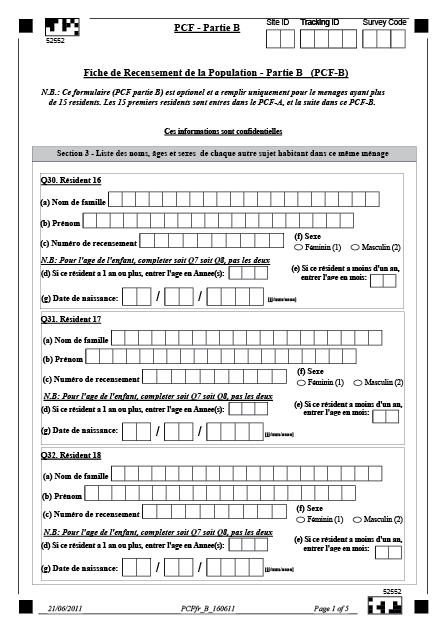
lshtm-use-eclinical-data-capture-system-for-paper-crf

London School of Hygiene and Tropical Medicine / MenAfricar

Fiche de Recensement de la Population – Partie B (PCF-B)
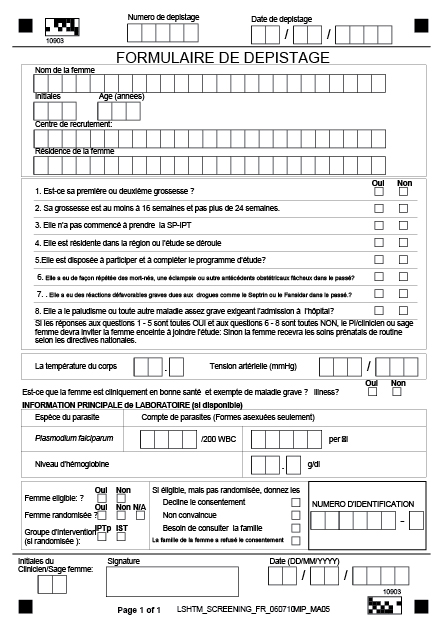
lshtm-use-data-capture-system-to-manage-paper-crf

London School of Hygiene and Tropical Medicine / MenAfricar

Formulaire de Despistage

    How to optimise paper CRFs and data collection forms for scanning

    A well-designed paper CRF or patient questionnaire improves the processing of scanned forms and reduces manual intervention.
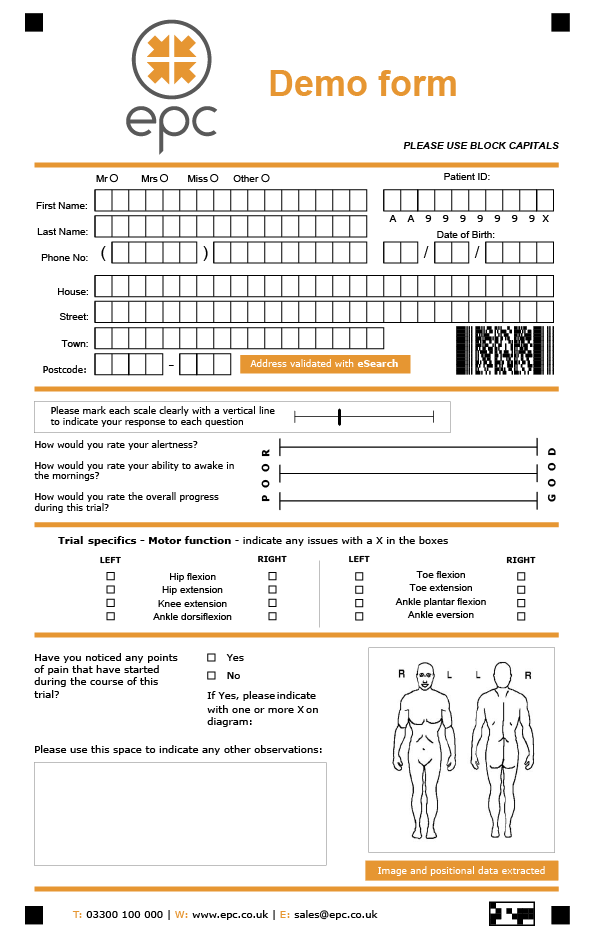
    demo-form

    Choice fields

    Add a choice field to your form to accept a single choice (e.g. yes/no) or multiple choice (e.g. select option A/B/C/D).

    Choice Fields consist of a single column, or row, of choices and offer an array of different styles including bubbles, boxes, underlines, responses and brackets.

    To improve OMR (Optical Mark Recognition) accuracy, it is recommended to use bubbles and boxes rathar than circling a response or marking within brackets.

    Cornerstones

    Cornerstones will assist with page alignment, de-skewing images and adjusting for print or scan size variations.

    Cornerstones

    Cornerstones will assist with page alignment, de-skewing images and adjusting for print or scan size variations.

    Constrained print fields

    Handwriting is most effectively read by ICR (Intelligent Character Recognition) technology when it is laid out in a constrained print field, with one character per box.

    Form designers can add a constrained print field to gather data such as names, dates, and numeric figures. The boxes act as guides for the person filling out the form, with one dedicated space for each letter, number or character in the response.

    Capture Zones

    Capture Zones are typically used to capture blocks of cursive handwriting or other unquantifiable data. They are presented to the operator to allow high-speed coding or re-keying of the content. Advanced features, such as mark identification or predictive typing, help speed up this process.

    Cornerstones

    Cornerstones will assist with page alignment, de-skewing images and adjusting for print or scan size variations.

    Cornerstones

    Cornerstones will assist with page alignment, de-skewing images and adjusting for print or scan size variations.

    Image zones

    Image zones can capture machine-print text, barcodes and pictures. This element is often used to capture printed address labels, barcodes or provide images of handwritten comments.

    Form identification block

    Form identification blocks help with page rotation (where the sheet is scanned upside down) and answer sheet identification for reconciliation. It will also help with version control should future versions of the form need to be used in parallel with older but very similar forms.

    Barcode

    eClinical can recognise all standard barcode types, including 2D matrix barcodes. These can be added to your form to identify respondents.

    Unconstrained Likert scales

    An unconstrained Likert scale (named after Rensis Likert) can be used to allow respondents to provide a rating or response without subconscious bias caused by limiting ratings to pre-defined values within a range.

    Electronic data capture (EDC)

    With the optional eForm module, eClinical can be used as a hybrid paper and electronic data capture (EDC) system.

    eClinical allows paper CRF’s to be exported from the CRF Designer as dynamic PDF or HTML forms for end-users to complete on-screen and submit electronically back to the verification module.

    We also provide stand-alone EDC systems that simplify compliance with ICH GCP E6 R2 standards and other regulations such as 21CFR Part 11 with online forms, web interfaces, audit trails, access control, version tracking, electronic signatures and more.