Scanning paper records
Once patient questionnaires and paper CRFs have been completed and returned to you by respondents, they need to be converted into an electronic image.
This is achieved by scanning paper records into automated data capture software, which automatically receives the form images directly from a high-speed document scanner.
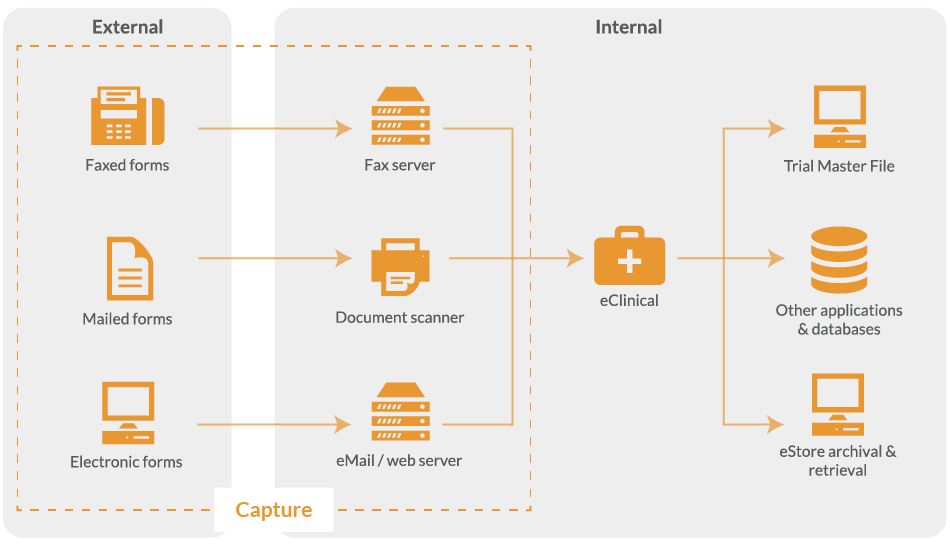
Document scanners
ePC can provide recommendations and supply a range of hardware, including high-throughput document scanners and servers, to support our clinical data capture systems.
Our high-volume document scanners (see below) start at 30 pages per minute and go up to over 200 pages per minute. This means the data capture system will scan paper CRFs in minutes – even data from large clinical trials will be captured quickly. There is no need for manual sorting – the system will do it for you, saving you even more time.
Our recommended scanners can scan in duplex and colour while supporting automatic sheet feeders with a capacity from 50 pages to several hundred. We also have specialist solutions for drop-out inks, special paper and endorsement (printing scan dates or references on the page as it scans) if required.
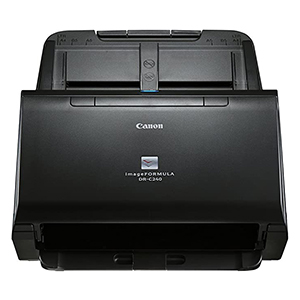
Max page size: A4
Pages per minute: 45
Feeder capacity: 60 pages
Max daily throughput: 2,000 pages
RRP*: £650
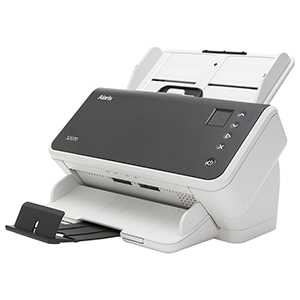
Max page size: A4
Pages per minute: 70
Feeder capacity: 80 pages
Max daily throughput: 5,000 pages
RRP*: £800
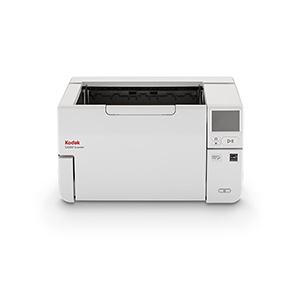
Max page size: A4
Pages per minute: 85
Feeder capacity: 300 pages
Max daily throughput: 20,000 pages
RRP*: £2,500
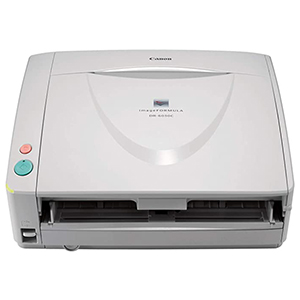
Max page size: A3
Pages per minute: 80
Feeder capacity: 100 pages
Max daily throughput: 10,000 pages
RRP*: £3,800
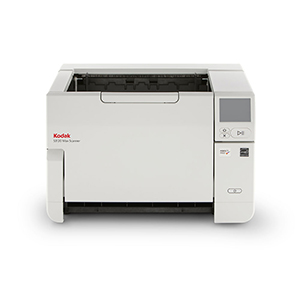
Max page size: A3
Pages per minute: 120
Feeder capacity: 500 pages
Max daily throughput: 60,000 pages
RRP*: £6,500
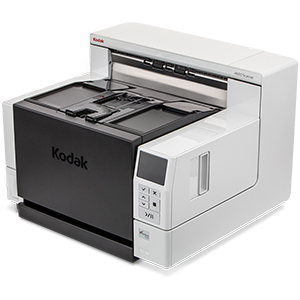
Max page size: A3
Pages per minute: 160
Feeder capacity: 500 pages
Max daily throughput: 125,000 pages
RRP*: £22,000
*Prices may fluctuate, please call + 44 (0)3300 100 000 for an accurate quotation.
Scanner maintenance
A technical support package is available, including telephone and email assistance, to help set up and maintain your scanner.
Additionally, we can offer maintenance cover for your scanner in the event of a hardware malfunction. This option means we will supply loan equipment of equivalent or higher specification until repairs on your scanner are complete.